
Emergency Storm Drain Backup: What Homeowners Should Know
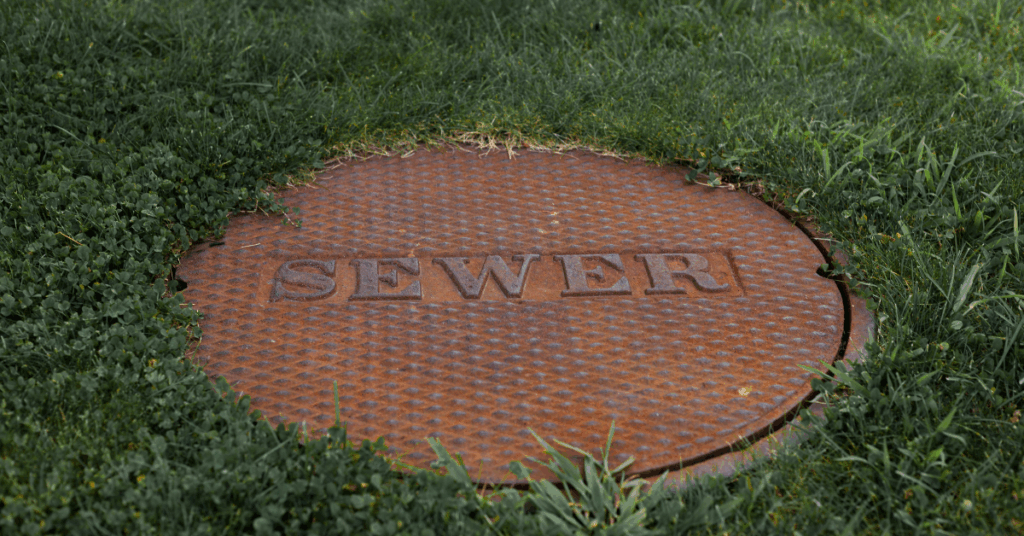
An emergency storm drain backup usually means something is blocking the underground pipe that carries rainwater away from your home: leaves and silt, tree roots, or a broken pipe. When runoff can’t reach the municipal collection mains, it backs up through driveway grates, patio drains, and foundation drains, looking for the lowest way out. If water is rising near your foundation, clear the surface grates, steer runoff away from the house, and make sure your sump pump is running.
This guide explains what causes an outdoor drainage backup in Lansdowne-area homes, what to do while water is rising, and how licensed professionals clear and repair storm lines.
Why Storm Drains Back Up During Heavy Rain
Storm drains carry rainwater from roofs, driveways, and sloped yards. Unlike sanitary sewers, which carry wastewater from indoor plumbing fixtures, private storm lines send rainwater to dry wells, swales, or municipal storm connections. Three problems cause most backups.
Debris Accumulation in Catch Basins
Runoff carries soil, leaves, small gravel, and yard debris into catch basins and outdoor channel drains. The sump at the bottom of a catch basin traps heavier sediment, but fine silt and leaves can slip into the outflow pipe. Over time, that material packs into a blockage, and a blocked yard drain is often the first sign. Regular catch basin cleaning keeps that buildup out of the pipe.
Tree Root Infiltration
Tree roots grow toward moisture and work their way into underground storm lines through cracked clay joints or loose seams. Once inside, roots spread into a thick mat that catches leaves and debris washing down from gutters. During a heavy downpour, water backs up behind the root mass and comes up through yard grates or low patio drains.
Pipe Collapse and Ground Shifting
Older storm lines made of clay, corrugated metal, or thin plastic can crack, buckle, or collapse under heavy soil or the weight of cars and trucks driving over them. A collapsed or shifted section can slow or stop water flow. The backed-up water then pools across the lawn, fills window wells, and puts water pressure on your foundation walls.
What to Do During an Emergency Storm Drain Backup
When water is rising around your foundation, a few quick steps can help prevent interior flooding and limit damage.
Clear Surface Grates Safely
Check the grates on catch basins, driveway channel drains, and window wells. If leaves, sticks, or trash are matted across the bars, pull them off with a rake or while wearing heavy work gloves. Don’t lift the grate or reach into the basin while water is flowing. Sometimes clearing the grate is enough to let surface water drain away before it reaches your home.
Protect Low-Elevation Openings
If the blockage is deeper in the underground pipe, clearing the grate won’t fix it. Steer runoff away from foundation walls, basement doors, and ground-level vents with sandbags or temporary soil berms. Check that your sump pump is running and discharging water far enough from the house that it doesn’t flow back toward the foundation. These steps help prevent basement storm flooding until the line is cleared.
Avoid Walking Through Deep Floodwater
Don’t step into deep standing water near outdoor electrical meters or low outdoor outlets. If water in your basement is near outlets, appliances, or the electrical panel, stay out and call your electric utility to shut off power. Storm runoff can carry contamination from the street or hide holes where grates have washed out. Keep children and pets away from pooled water until the line drains and the area dries.
Professional Solutions for Storm Line Obstructions
Clearing a storm line takes equipment that goes well beyond a standard drain snake. A licensed technician first finds exactly where the blockage is, then picks the right way to clear it.
CCTV Camera Inspection
A camera inspection of the storm line comes first. The technician runs a closed-circuit camera through the pipe and watches live video on a monitor, looking for cracks, roots, and sagging sections that hold water. The video shows whether the line just needs cleaning or needs structural repair.
Hydro Jetting and Line Clearing
Hydro jetting uses high-pressure water to scour the inside of your storm pipes. The jets cut through tree roots, flush out packed gravel, and wash out heavy mud. Hydro jetting storm drains clears the pipe back to its full width without digging up your yard, as long as the pipe is structurally sound. That’s why a camera inspection comes first.
Pipe Lining and Structural Repair
If the camera finds cracked or separated sections, trenchless pipe lining can repair the line without digging a trench. Technicians insert a sleeve soaked in epoxy into the damaged pipe and let it harden in place, forming a smooth new pipe inside the old one. For badly crushed or collapsed sections, storm sewer line repair means digging up and replacing that section to restore steady stormwater flow.
Keeping Your Storm Drainage Reliable
Contact Delco Storm & Sewer Services
If you’re dealing with a blocked storm line or need same-day service for an outdoor drainage problem, our licensed technicians can help. Delco Storm & Sewer Services has served Lansdowne, PA, Delaware County, and nearby communities since 2020, with upfront pricing on sewer and storm line repair, CCTV camera inspections, and hydro jetting. Contact us to schedule your storm line inspection.