
Sewer Line Repair Responsibility: Homeowner vs. City
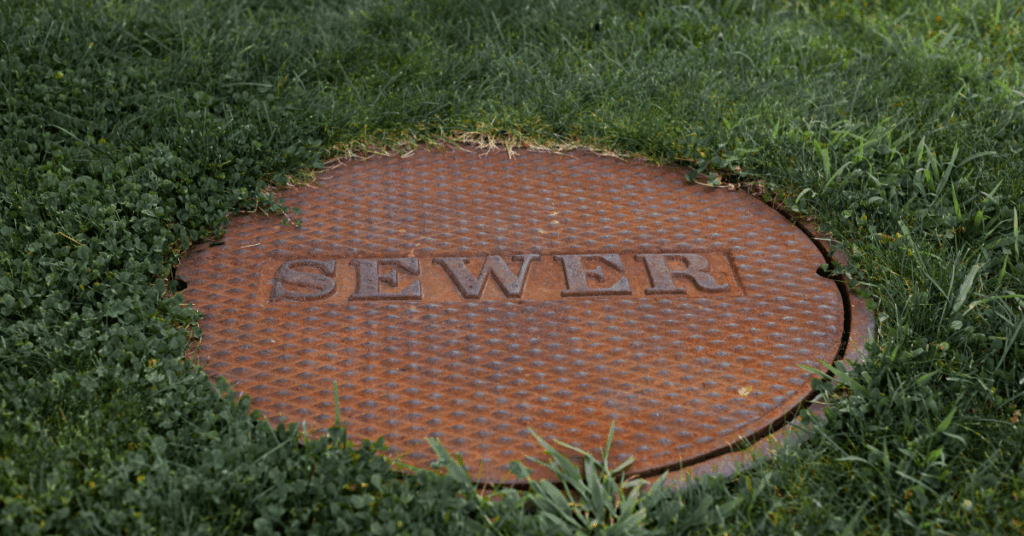
Understanding your sewer line repair responsibility depends on where pipe damage occurs. Property owners usually care for the private lateral pipe running from the building foundation toward the public sewer main. Municipal authorities manage public mains that collect wastewater along city streets.
Local codes dictate exact maintenance boundaries. In Philadelphia and across Delaware County, property owner duties differ based on municipal regulations. Knowing these boundaries helps you address backup symptoms quickly and avoid unnecessary repair costs. A video sewer camera inspection pinpoints exact damage locations before work begins.
Sewer Line Repair Responsibility and Ownership Boundaries
The Private Upper Lateral
The upper lateral pipe runs from your house foundation to the edge of your property line. Property owners bear full financial and physical responsibility for maintaining this pipe segment. When roots block this line or ground movement cracks the pipe walls, the owner must hire licensed plumbers for repairs.
Clarifying your sewer line repair responsibility requires knowing exact property boundary lines. Damage on private property never falls under municipal jurisdiction. Regular cleaning prevents debris buildup in this upper pipe section.
The Lower Lateral and Local Municipal Codes
The lower lateral extends from the property boundary to the municipal main pipe beneath the street. Responsibility for this section varies by municipality:
- Philadelphia City Regulations: Under Philadelphia Water Department (PWD) Regulations Chapter 3, Section 3.2, property owners own and maintain the entire lateral line. This duty extends from the building all the way to the connection point at the city main sewer line in the street. Owners are responsible for repairs under public sidewalks and streets.
- Delaware County Municipalities: Townships handle lower laterals differently. Under Lansdowne Borough Code Chapter 260 and Upper Darby Township Code Chapter 450, property owners remain responsible for laterals connecting to public lines. Some townships cover repairs under public streets, while others require owners to pay for excavation up to the main tap.
The Municipal Main Line
The city or local sewer authority owns the sanitary sewer main. Public utility crews maintain these large lines under streets and public easements. If a public main collapses or clogs, the municipality pays for repairs. Homeowners should request local permit records to verify property line boundaries before starting major work.
Common Causes of Sewer Line Damage
Tree Root Intrusion
Tree roots naturally grow toward moisture and nutrients inside sewer pipes. Tiny root fibers enter through loose pipe joints or hairline cracks. Once inside, root masses expand and block wastewater flow. Over time, expanding roots break pipe walls and cause complete blockages. Recurring drain clogs often indicate severe root growth inside the lateral line.
Structural Pipe Deterioration
Older homes often feature clay, cast iron, or original fiber conduit pipes. Cast iron pipes rust over time, forming rough scale that catches debris. Clay pipes crack easily under ground weight or tree root pressure. Shifting soil creates sagging pipe sections called bellies. Water and solids settle in these low points, causing repeated drainage backups.
Technicians locate structural defects using specialized equipment. A video CCTV pipe inspection reveals cracks, rust scale, and bellies without digging up lawns or driveways.
Sewer Line Inspection and Repair Options
Scheduling a CCTV Camera Inspection
A camera inspection identifies the exact location and cause of sewer line problems. Technicians insert a flexible, waterproof camera into the sewer cleanout access point. The camera transmits real-time video to a monitor, showing pipe walls and recording exact distance measurements along the line.
This distance measurement shows whether damage sits on private property or within municipal street lines. Identifying the exact break location resolves questions about sewer line repair responsibility before excavation begins.
Trenchless Pipe Lining vs. Traditional Pipe Replacement
Choosing the right repair method depends on pipe condition, depth, and structural integrity. Both methods offer distinct advantages and limitations.
Trenchless Pipe Lining
Trenchless pipe lining inserts an epoxy-saturated felt liner into the existing pipe. Technicians inflate the liner and cure it with hot water or steam to form a smooth pipe inside the damaged line.
- Advantages: Avoids digging up yards, sidewalks, or driveways. Reduces landscape restoration costs and completes in a single day.
- Trade-offs and Limitations: Epoxy liners reduce internal pipe diameter by 2 to 5 millimeters. Lining cannot fix completely collapsed pipes, crushed sections, or back-pitched bellies. If a pipe lacks structural support, lining will fail. Initial equipment costs can also exceed short open-cut dig repairs.
Traditional Pipe Replacement
Traditional pipe replacement uses open-cut excavation to remove old pipe and install new schedule 40 PVC pipe.
- Advantages: Replaces destroyed or collapsed pipes completely. Allows technicians to reset ground slope and eliminate sagging bellies. Works on any pipe depth or structural condition.
- Trade-offs and Limitations: Requires digging trenches through lawns, driveways, or street surfaces. Landscape and concrete restoration adds extra effort and time to the project.
SEWER LINE EXPERTS
Protect Your Property
Delco Storm & Sewer Services provides video camera inspections, trenchless pipe lining, and sewer line replacement across Lansdowne, Philadelphia, and Delaware County. Catch problems early and get the right repair the first time.