
Trenchless Sewer Repair: A Practical Guide for Homeowners
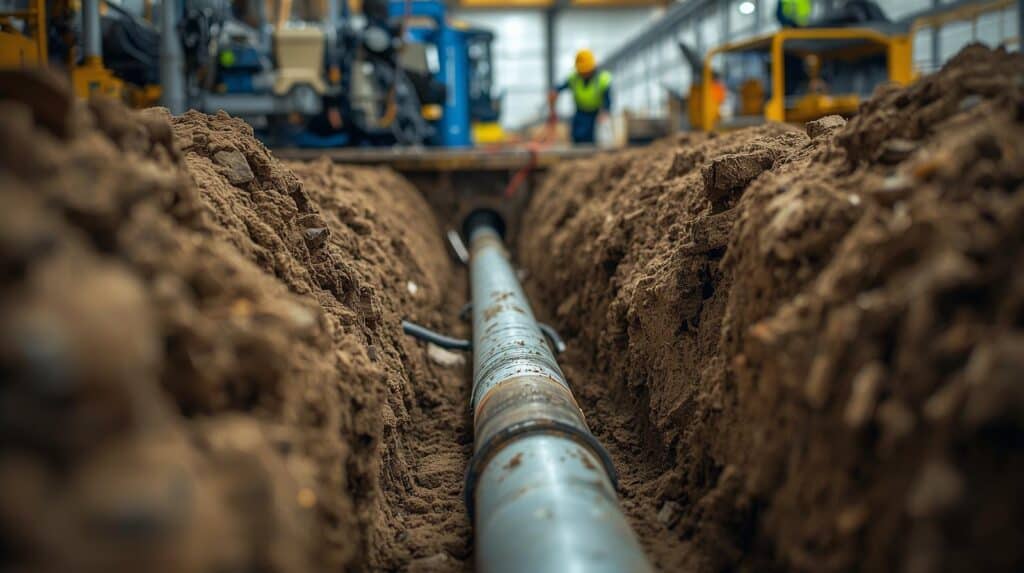
Underground pipe failures create immediate headaches for property owners, but fixing an underground line does not always require digging up an entire yard. Modern trenchless sewer repair restores failing pipes beneath your lawn, driveway, or sidewalk with minimal excavation. Instead of bringing in heavy machinery to dig a long trench through finished landscaping, technicians use specialized access points to rebuild or replace the line from the inside out.
Sewer infrastructure in communities like Lansdowne and neighboring areas throughout Delaware County often dates back several decades. Older cast iron and clay sewer mains face constant stress from shifting soil, aging joints, and dense tree canopies. When sewer trouble strikes, understanding how trenchless methods work helps you protect both your plumbing system and your property layout.
Understanding Trenchless Methods: How Modern Pipe Restoration Works
Traditional excavation requires digging a continuous trench along the entire length of the underground pipe. That process tears up turf, damages walkways, and disturbs established garden beds. In contrast, modern trenchless sewer services rely on small access points to complete the job underground.
Cured-In-Place Pipe Lining
The most common method for restoring an intact but worn pipe is cured-in-place pipe lining. A technician inserts an epoxy-saturated sleeve through an accessible cleanout or a small pit, inflates it against the existing pipe walls, and allows the material to cure into a hard shell. Once hardened, this new liner seals cracks, bridges joint gaps, and creates a seamless internal surface. This seamless finish restricts groundwater infiltration while keeping water flow smooth and consistent.
Pipe Bursting for Full Replacement
When a pipe has collapsed completely or suffered structural breaks that cannot support a liner, pipe bursting provides a reliable alternative. Crews pull a heavy-duty bursting head through the failing line using strong hydraulic equipment. The bursting head fractures the old pipe outward into the surrounding soil while simultaneously pulling a continuous, high-density polyethylene pipe directly behind it. This process achieves full sewer pipe replacement without open trenching across your driveway or lawn.
Common Problems Solved by Trenchless Sewer Technology
Underground drainage systems endure continuous stress from moisture, shifting earth, and plant growth. Over time, these conditions create serious physical defects that disrupt normal household drainage.
Tree Root Intrusion and Joint Separation
Older clay and cast iron pipes feature multiple joints that loosen as ground conditions change over decades. Thirsty roots detect tiny moisture leaks from these joints and force their way inside, creating severe blockages and fracturing the pipe structure. Clearing out a tree root intrusion with specialized cutters and sealing the interior prevents roots from entering those joints again.
Cracks, Corrosion, and Internal Deterioration
Cast iron pipes naturally suffer from interior rust, scaling, and bottom channeling as wastewater flows through them year after year. When a damaged sewer pipe develops cracks or thin walls, water escapes into the surrounding dirt and weakens structural support around the line. Applying pipe lining smooths rough surfaces and halts interior corrosion, creating a dependable pathway that lasts for decades to come.
The Step-by-Step Process for Trenchless Pipe Restoration
Completing a professional trenchless sewer repair follows a systematic workflow designed to ensure proper fit and structural integrity from start to finish.
Step 1: Detailed Video Camera Inspection
Technicians never begin sewer work without seeing exactly what is happening inside the line. An advanced camera inspection sends a high-definition optic line down through the cleanout to pinpoint the precise location of breaks, blockages, or bellies. This thorough video walkthrough confirms whether the host pipe has enough structural integrity to accept a resin liner.
Step 2: Mechanical Cleaning and Descaling
Before inserting any repair materials, technicians must remove grease, mineral buildup, scale, and root mass from the pipe walls. The team uses hydro jetting solutions alongside rotating chain knockers to scour the pipe down to clean base material. Thorough cleaning ensures that epoxy resin adheres securely to the existing pipe walls.
Step 3: Liner Installation and Final Inspection
Once the pipe is clean, technicians pull or invert the flexible liner into place and pressurize it with air or water until the curing cycle finishes. After the resin cures completely, a second camera inspection verifies that the liner is smooth, properly seated, and flowing cleanly into the municipal connection.
Making the Right Choice for Your Sewer Infrastructure
Handling an underground drainage problem does not have to turn into a disruptive construction project that tears up your yard. Modern trenchless technology delivers durable, long-term sewer line repair while keeping your landscaping, driveways, and porches intact. By understanding the condition of your underground pipes through accurate diagnostics, you can select the repair method that best preserves your home and property value.
Schedule an Inspection with Delco Storm & Sewer Services
If slow drains, repeated clogs, or sewer odors indicate trouble beneath your property, let our experienced team help. Serving Lansdowne, PA, and property owners across Delaware County, Chester County, Montgomery County, Bucks County, and Philadelphia, Delco Storm & Sewer Services provides upfront pricing, same-day service, and honest assessments from licensed professionals.